Vancouver's Live Rooms: What Changes Between a 300-Cap Club and a Theatre
 Therapy SoundField notes
A band doesn’t sound the same twice. Put them in a 300-cap room with a low ceiling and they sound like a secret. Put them on a theatre stage with proper risers and they sound like an event. Same songs, same amps, completely different show.
Vancouver’s live rooms run from tight clubs where you can touch the stage to seated theatres with balconies, and the size of the room changes almost everything about a gig: the sound, the sightlines, how the band plays, and how you experience it. Knowing the tiers helps you pick the right night for the right act, and sets your expectations before you buy a ticket.
The Club Tier: 150 to 400 Capacity
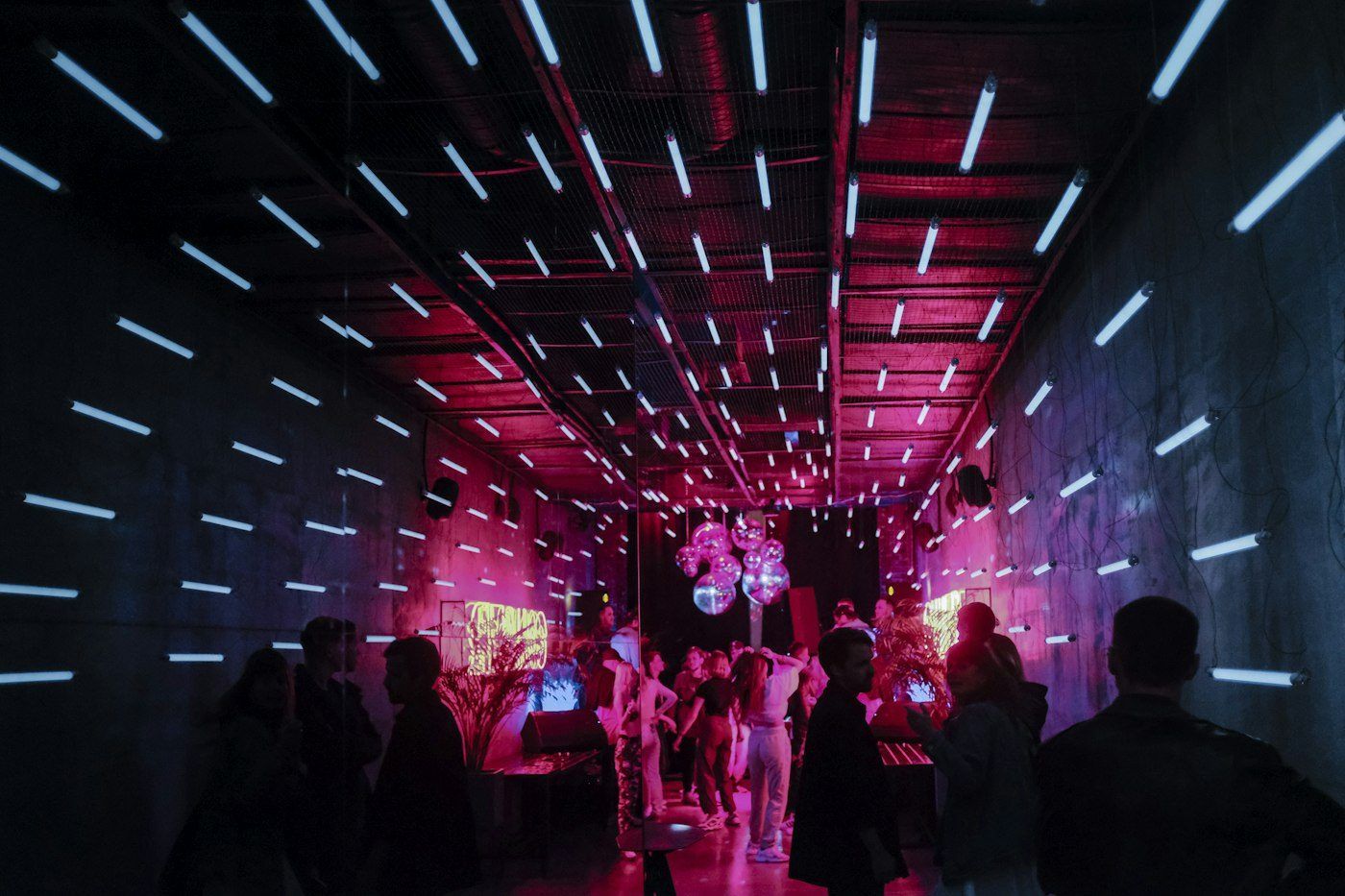
This is where most touring acts play on the way up, and where local bands build a following one show at a time. The stage is close enough that you can see pedal boards and set lists taped to the floor. There’s usually no barrier, or a low one, between you and the band.
Sound in these rooms is a wild card. A good engineer can make a 250-cap room feel enormous. A bad one can make it feel like standing inside the kick drum. Either way, you feel the show in your chest, not just your ears.
The Mid-Size Hall: 400 to 800 Capacity
This tier is the workhorse of the city’s live circuit. Big enough for a band that’s sold out a few club runs, small enough that the room still feels full even on a quieter weeknight. Standing room usually dominates, sometimes with a raised area or balcony for people who want a sightline without the crush.
Bands at this level tend to have a proper production: a light rig, a stage plot, maybe a few extra bodies on stage. The show starts to feel like a show rather than a gig.
The Theatre Tier: 800 and Up
Seated or mostly seated, with a rake, so the person in front of you isn’t a problem. These rooms were built for sightlines and acoustics first, which is why a quiet acoustic set or a string section translates so well here and a loud rock band sometimes doesn’t.
Theatres change audience behaviour too. People sit down, they clap between songs instead of yelling through them, and the whole evening has a different shape, more like attending something than being swept into it.
- Club tier. Close, loud, unpredictable sound, no seats, the band can see your face.
- Mid-size hall. Full production starts to show up, still mostly standing, room to move but not to disappear.
- Theatre. Seats, a rake, acoustics built into the walls, an evening rather than a night out.
Why Bands Pick the Room They Pick
Capacity is a creative decision, not only a question of how many tickets a promoter can sell. A band touring a loud, physical record will often choose a smaller, rowdier room on purpose, even if they could fill something bigger, because the songs need the crowd pressed up close to work. A band touring something quieter will ask for a seated room because a theatre audience listens differently than a standing one.
This is also why the same artist sometimes plays two very different Vancouver rooms across two tours. The record changes, the room changes with it.
What the Room Does to the Sound
Small rooms with low ceilings and hard walls tend to be bright and a little chaotic: great for energy, tough on clarity. Mid-size halls, especially ones built with some acoustic treatment, usually strike the best balance between punch and detail. Theatres, built for projection without amplification in the first place, can make an unplugged set sound better than any club ever could.
None of this is about one tier being better than another. A sloppy, loud club show and a pristine theatre set are both the point, just different points.
Sightlines and Where to Stand
In a club, get there early if you want to be near the front, because there’s no raised floor to save you. In a mid-size hall, a slight rise near the back or sides often gives a clean sightline without sacrificing sound. In a theatre, almost any seat works, which is the trade-off for giving up the option to stand at the rail.
The room is the other instrument on stage. Nobody plays it, but everyone hears it.
How to Choose for the Show You Want
If you want to feel like part of the performance, pick the smallest room the artist is playing. If you want to actually see and hear everything cleanly, especially for an act with a quieter or more arranged sound, a theatre will serve you better than a packed club floor. Mid-size halls are the safe middle ground for most nights out.
Therapy Sound · Vancouver events
House, techno and live shows across the city
Frequently Asked Questions
Does a smaller venue always mean a louder show?
Not always, but small rooms often feel louder because the sound has less space to spread out and you’re standing closer to the speakers and the stage.
Why do theatres have seats and clubs don’t?
Theatres are built for sightlines and acoustics across a large room, which works best with fixed, raked seating. Clubs prioritize capacity and proximity to the stage, so standing room makes more sense.
Is it better to see a band in a small club or a theatre?
It depends what you want. A club gives you proximity and energy, while a theatre gives you clarity and comfort. Neither is objectively better, they’re different kinds of nights.
How do I know what size room a show is in before I buy a ticket?
The venue name and capacity are usually listed on the event page, and a quick search will tell you whether it’s a standing club, a mid-size hall or a seated theatre.