Techno in Vancouver: From Warehouse Roots to the Rooms That Carry It Now
 Therapy SoundField notes
Vancouver never had a Tresor or a Berghain, a single room that became shorthand for the whole scene. What it had instead was concrete floors, borrowed PA systems, and promoters who figured out early that the city's industrial edges were the only places loud enough to hold techno properly.
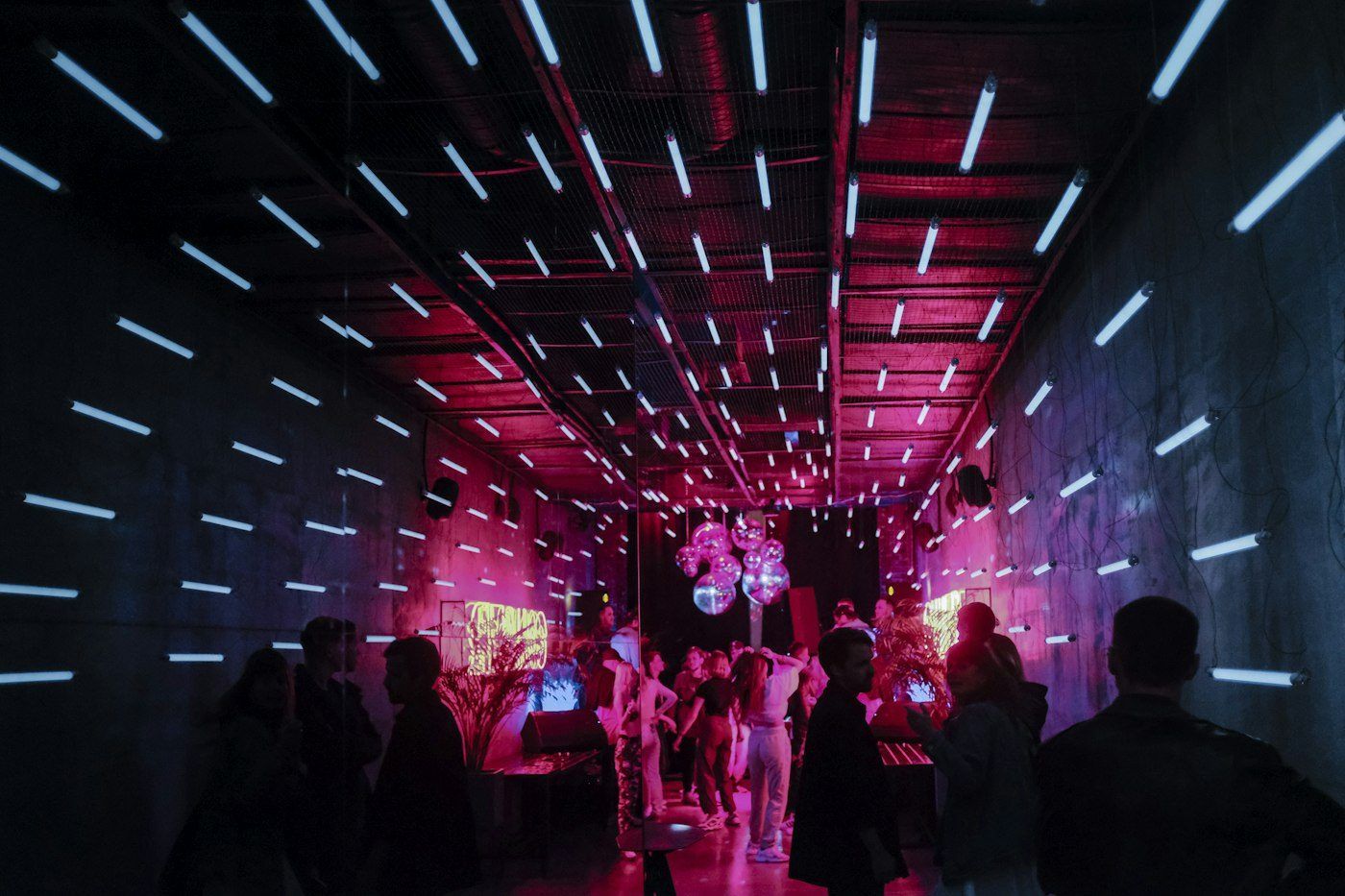
The quick version: Vancouver's techno scene grew up in raw industrial spaces because that's where the room and the noise tolerance existed. Rezoning, condo development, and tighter enforcement pushed a lot of that out over the years, and the sound migrated into smaller licensed venues, after-hours circuits, and one-off spaces that aren't clubs most nights of the week. The music didn't get smaller. The rooms did, and the people running them got better at making a 150-capacity space feel like it could hold a city.
Why warehouses made sense here
Vancouver's industrial land, the kind near rail lines and port infrastructure, was cheap, underused, and far enough from residential density that a sound system could run loud without the neighbours calling it in by midnight. That combination is what built the city's early techno rooms. You needed square footage for a stack, a ceiling high enough to swallow the reverb, and landlords who weren't asking too many questions about Saturday night.
Techno suits that kind of room in a way a lot of other dance music doesn't. It's built to be heard through concrete and distance, not absorbed into carpet and soft furniture. A warehouse doesn't flatter a vocal house track the same way it flatters a stripped-back kick and a rolling bassline.
What actually changed
The city's industrial land got more valuable. Condo development crept toward formerly empty blocks, noise complaints became easier to file and harder to ignore, and the informal arrangements that let warehouse parties run for years started to dry up. None of this is unique to Vancouver. Most North American cities with a warehouse techno history have some version of the same story: cheap industrial space gets rezoned or redeveloped, and the parties that depended on it have to find somewhere else to go.
What's different here is the timeline moved fast relative to how long the scene had to establish itself. Vancouver's techno rooms didn't get decades to calcify into institutions the way some European cities did. They had to adapt earlier, which is part of why the current scene looks the way it does.
Where techno lives now
The sound didn't disappear, it redistributed. A few patterns show up consistently in how Vancouver techno operates today:
- Small licensed rooms. Venues with real sound systems but modest capacity have become the backbone, trading warehouse scale for consistency and a liquor licence that lets them run regularly instead of hoping nobody notices.
- After-hours circuits. With last call pushing people out of licensed venues, a separate ecosystem of unlicensed, later-running spaces picked up the slack, especially for the parts of a techno night that don't peak until well past 2am.
- Pop-up and one-off spaces. Promoters still find industrial or semi-industrial rooms for single nights, renting rather than squatting, which keeps some of the warehouse feeling alive without the years-long lease that made the old spots a target.
- Festival and outdoor slots. Techno has also found room on bigger stages and outdoor events, which exposes it to crowds who'd never have found a basement party but wouldn't necessarily seek out the smaller rooms either.
The sound itself hasn't softened
It would be easy to assume that moving into smaller, licensed rooms made Vancouver's techno more polite. That's not really what happened. The city's techno leans toward the driving, dubby end of the spectrum, closer to Berlin's influence than Detroit's, and that hasn't changed with the rooms. If anything, a smaller space with a serious sound system can hit harder than a warehouse where half the low end gets lost in the ceiling height.
What has changed is pacing. A 150-capacity room with a hard out time forces a different arc than a warehouse party that can run until the sun comes up. Sets get tighter. DJs have less time to build slowly, which has pushed a lot of Vancouver techno nights toward a more immediate, less patient structure than the genre's reputation might suggest.
Who's actually carrying it
The scene runs on a small number of promoters and collectives who've learned to operate across all of the above: a licensed room one month, an after-hours slot the next, a one-off industrial rental when the right space becomes available. That flexibility is the real skill now, more than any single venue holding the scene together.
Vancouver's techno scene was never about one room. It was about people who kept finding the next one.
What this means if you're new to it
If you're coming to Vancouver techno expecting a single defining club, you'll be looking for something that doesn't really exist here, and that's worth knowing going in. The scene is spread across a handful of rooms and a rotating cast of promoters, which means the way to actually find good nights is to follow the people programming them rather than attaching yourself to one address.
Therapy Sound · Vancouver events
House, techno and live shows across the city
Frequently asked questions
Does Vancouver still have warehouse techno parties?
Occasionally, usually as one-off rentals rather than ongoing venues. Rezoning and redevelopment of industrial land have made the long-running warehouse party much harder to sustain than it once was.
Why did Vancouver's techno scene move away from warehouses?
Rising land values, condo development near former industrial zones, and tighter noise enforcement made it harder for promoters to run regular unlicensed events in those spaces.
Is Vancouver techno different from other cities' sound?
It leans toward a driving, dubby style closer to Berlin's influence than Detroit's, and smaller room sizes have pushed sets toward a tighter, more immediate pacing.
How do I find techno nights in Vancouver now?
Follow promoters and collectives rather than a single venue, since the scene rotates between small licensed rooms, after-hours spots, and occasional one-off spaces.
Therapy Sound is Vancouver's guide to every sound in the city, checked and explained.